November 18 marks the beginning of U.S. Antibiotic Awareness Week, an annual observance highlighting appropriate antibiotic and antifungal use and the ongoing threat of antimicrobial resistance (AMR).
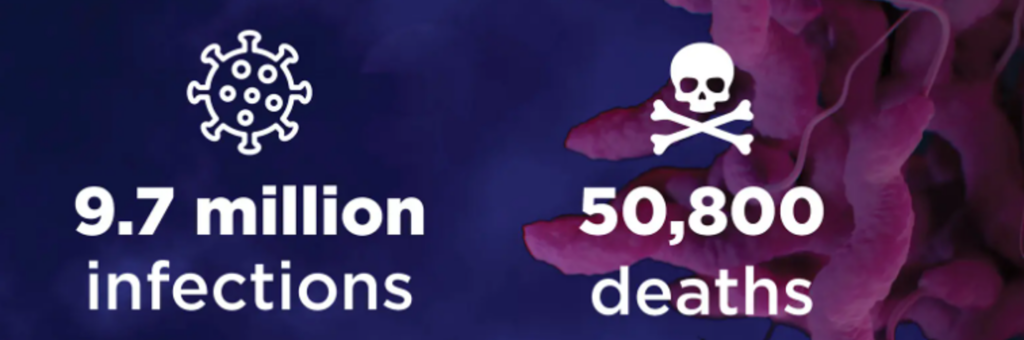
This year, we begin with important new data. The CDC Antimicrobial Resistance Threats Report estimates that 19 bacterial and fungal antimicrobial-resistant threats cause 9.7 million infections and 50,800 deaths in the United States each year. For those of us working in infectious diseases, these numbers reinforce what we already see: antimicrobial resistance is not an abstract or future threat. It affects the care we provide our patients today.
What are the biggest threats?
The report classifies four pathogens as urgent threats: Candida auris, carbapenem-resistant Acinetobacter, carbapenem-resistant Enterobacterales (CRE), and drug-resistant Neisseria gonorrhoeae.
Drug-resistant Neisseria meningitidis is now classified as a serious threat, while drug-resistant dermatophytes, drug-resistant Haemophilus influenzae, and nontuberculous mycobacteria were added to the Watch List.
The 2026 report uses substantially updated methodology, so its estimates should not be directly compared with previous reports to gauge whether AMR is increasing or decreasing. There is also evidence that our efforts matter. Clostridioides difficile moved from the urgent to serious threat category, due in part to progress in infection prevention.
Where do we go from here?
The 2026 U.S. Antibiotic Awareness Week theme is “Fighting Antimicrobial Resistance Takes All of Us.” Throughout this week, we’ll look at what that means in practice, from outpatient prescribing and diagnostic stewardship to communication with our patients.
Protecting the effectiveness of antimicrobials is not simply about using fewer of them. It means using them thoughtfully, preventing infections, improving our diagnostic practices, and limiting the spread of resistant organisms.