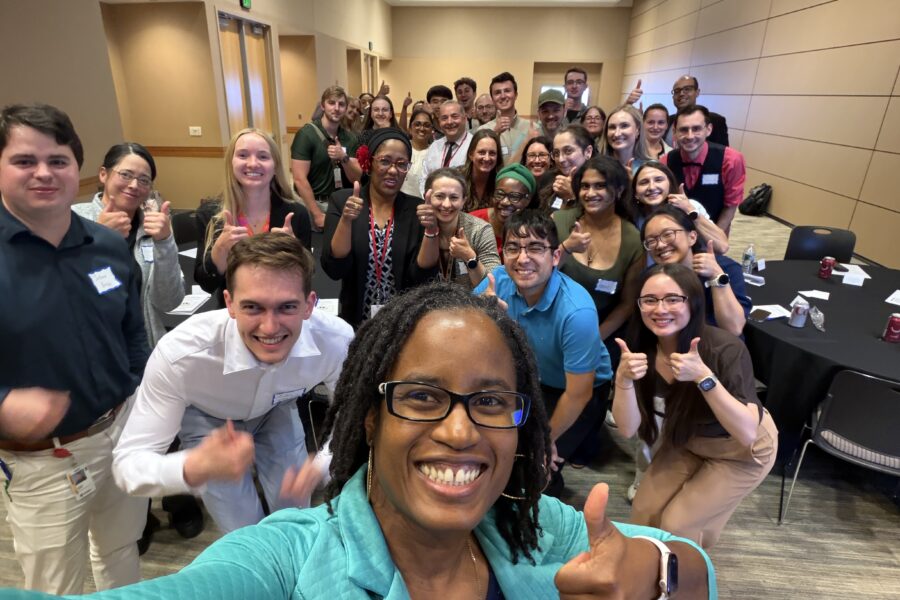
Building Connections through BRIDGE-ID
Late August offered two opportunities to invest in the next generation of infectious diseases professionals: the UNMC BRIDGE-ID student mentoring event and the 2026 Nebraska Infectious Diseases Conference. Together, these events highlighted the importance of mentorship, professional development, and scholarly engagement in building a strong workforce for the future.
Created through an IDSA ID STEP grant, UNMC BRIDGE-ID (Building Recruitment, Inclusion, and Development for Growth in Infectious Diseases Education) was developed to foster early interest in infectious diseases, support scholarly engagement, and create lasting mentorship networks for learners. On August 26, the IDSA STEP/UNMC BRIDGE-ID Trainee Networking Event brought together medical students and infectious diseases professionals for an evening focused on mentorship, career exploration, and community building.
Infectious Diseases Networking, Research & Mentorship Dinner
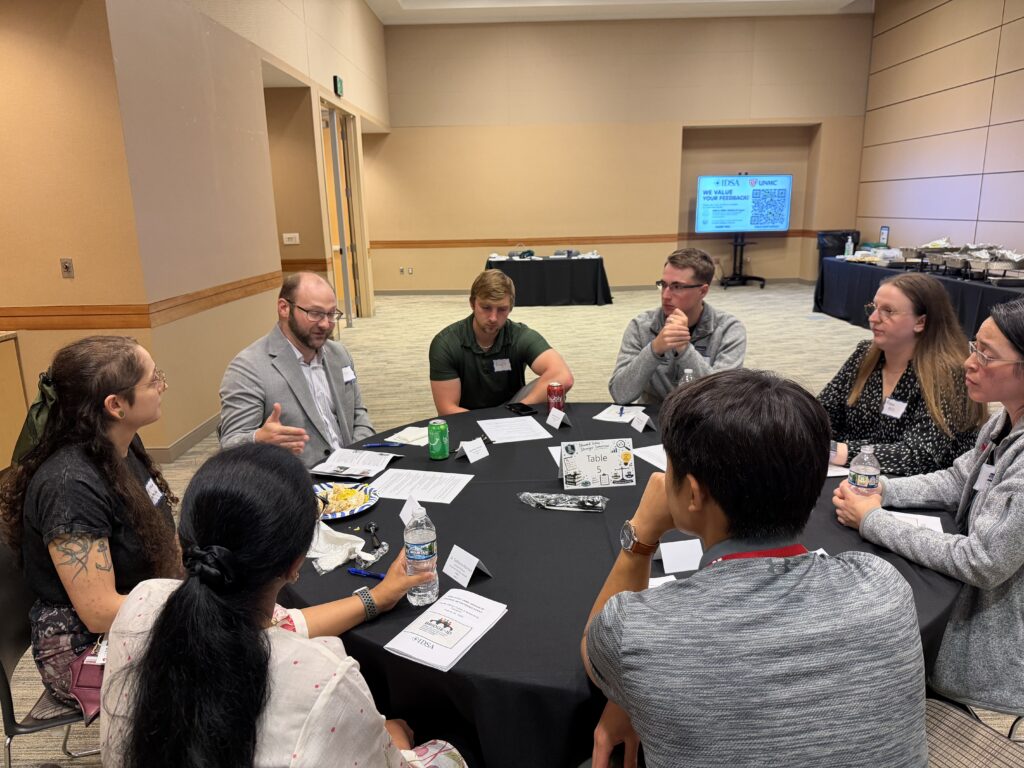
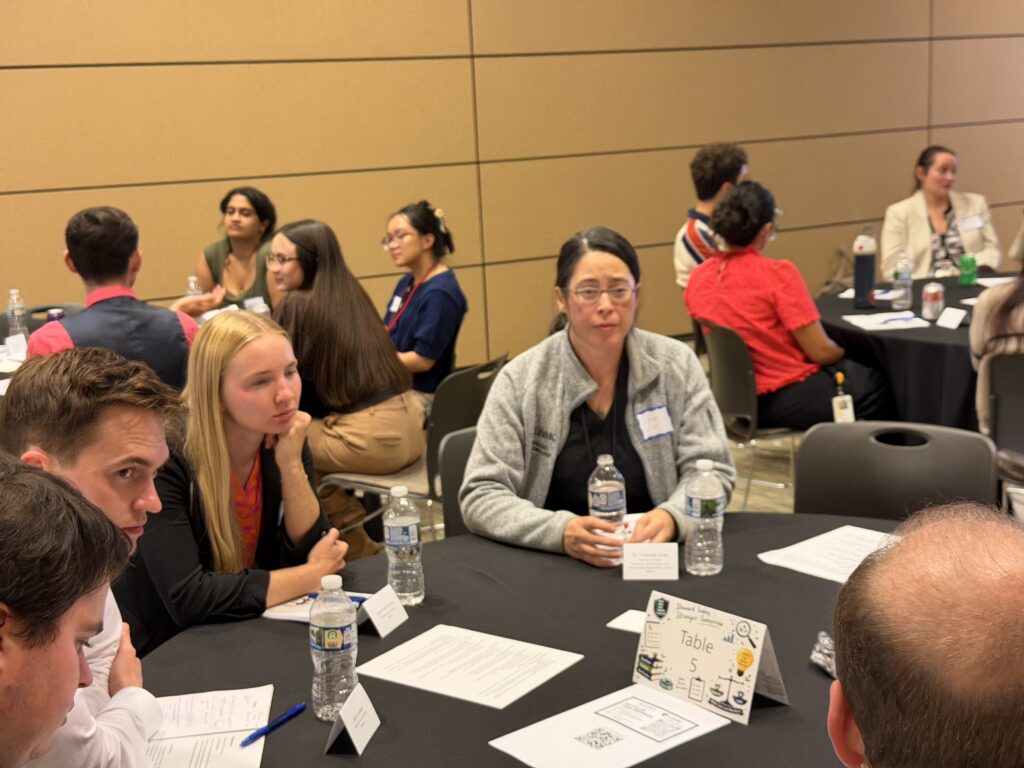
The event featured a unique networking format that allowed 19 students to rotate among 15 faculty and professional mentors representing a wide range of infectious diseases careers. Participants connected with experts in HIV medicine, antimicrobial stewardship, transplant infectious diseases, pediatric infectious diseases, clinical microbiology, global health, medical education, and clinical research.
Students had the opportunity to ask questions about career pathways, residency and fellowship training, research opportunities, mentorship, and work-life integration. Faculty mentors shared not only their professional expertise but also the personal experiences and career journeys that led them to infectious diseases.
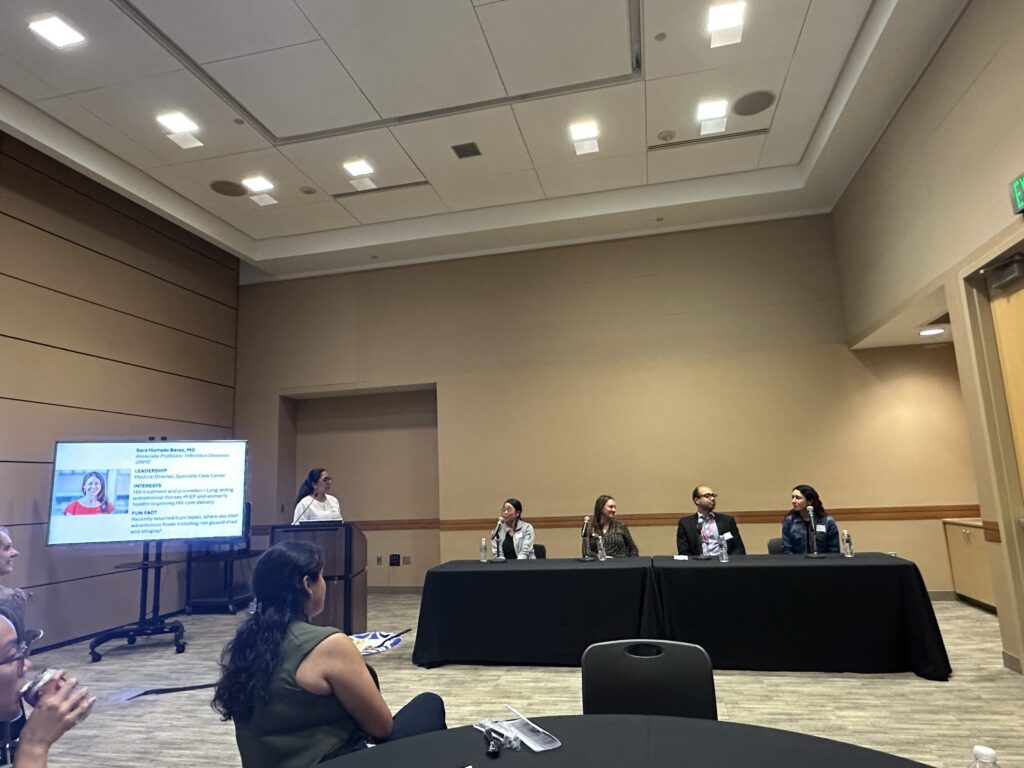
A faculty panel, moderated by Dr. Subhadra Mandadi provided a fireside chat experience, and a chance to hear directly from Dr. Yolande Chan (Microbiology lab associate director), Dr. Andrea Green-Hines (Peds ID fellowship director), Dr. Carlos Gomez (Transplant ID and research lead), and Dr. Sara Bares (HIV, Specialty Care Center medical director and M1 ID education block director). A few key takeaways from their time on the panel:
- There are many pathways within Infectious Diseases, including clinical care, research, education, global health, stewardship, and hospital epidemiology.
- Mentorship plays a critical role in career development and opens doors to new opportunities.
- Research often begins with curiosity and asking meaningful questions.
- Building relationships and following up on connections can lead to mentorship, scholarship, and future collaborations.
- Don’t let anyone discourage you from pursuing your interests and passions
- There are SO many folks in the ID division who are available to take trainees under their wings…don’t be afraid to reach out!
These trainees got to engage directly with potential mentors through structured speed networking, and discover how varied and impactful careers in infectious diseases can be through a panel of faculty leaders. Several students have already followed up looking to strengthen the connections through long-term mentorship! One student wrote: “The panel felt intentionally designed in a way that few/no other panels I have attended have felt. [The table rotations] did a very good job of exposing trainees to many different facets of ID in a conversational and casual setting.
Growing the Infectious Diseases Workforce
The networking event is part of a broader effort to introduce students to infectious diseases early in their training and provide meaningful opportunities for mentorship. Investments in programs such as BRIDGE-ID are particularly important as the specialty continues to strengthen the pipeline of future clinicians, educators, researchers, and public health leaders.
Beyond discussing career options, the evening emphasized the value of relationships. Students had a chance to build connections, seek mentorship, and explore scholarly opportunities that can support their professional development throughout medical school and beyond.
The success of the event reflects the enthusiasm of both mentors and trainees and highlights the commitment of the UNMC Division of Infectious Diseases to fostering the next generation of infectious diseases professionals.
Special thanks to the faculty mentors, trainees, ID Interest Group, and the many individuals whose efforts helped make the event possible. We also thank the IDSA Foundation for the grant and providing the support for these activities.