Colorectal cancer (CRC) continues to be a leading cause of health burden in Nebraska and a priority of the Fred & Pamela Buffett Cancer Center (FPBCC).
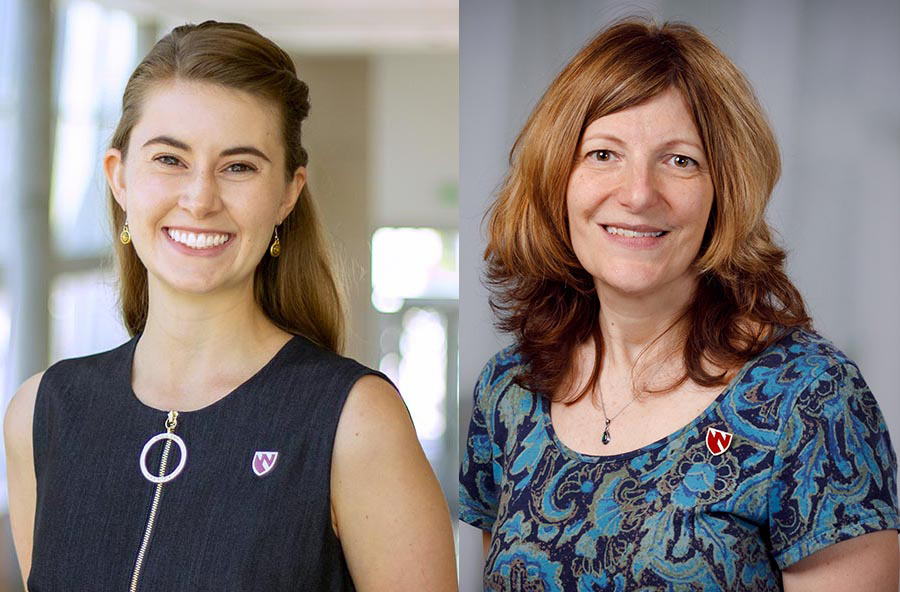
Principal Investigator Mariah Jackson, PhD, and Co-Investigator Corrine Hanson, PhD, along with their team: Yvonne Golightly, PhD; Edward Deehan, PhD (UNL); Laura Tenner, MD (COM); and Krista Brown, PhD (CoPH) received two grants to address this.
A FPBCC and the Cancer Prevention and Control Program Seed Grant for $25,000 and a FPBCC American Cancer Society Institutional Research Grant Seed Grant Program for $60,000 will fund, “Researching the Effects of Survivorship, Inflammation, and Neurocognitive Enhancement through Cancer and Eating: The RESILIENCE Study.”
While we celebrate scientific advancements in the treatment of colorectal cancer, up to half of CRC survivors face lasting cognitive difficulties, like reduced concentration and memory. Altogether, the quality of life of survivors is significantly diminished.
Additionally, cancer treatments challenge a patient’s ability to maintain a healthy diet. Fiber is a key dietary component linked to a healthy gut, reduced inflammation, and better overall cancer survivorship. Post-surgery guidelines, however, often recommend a reduction in fiber intake to facilitate gut healing, with inconsistent reintroduction of high-fiber foods after initial healing.
To address this, the team will conduct a 12-week pilot study with 50 CRC survivors who have completed treatment. Half will receive standard care with access to the diet recommendations, and half will participate in a new program that combines personalized nutrition counseling, telehealth follow-ups, and hands-on cooking classes focused on affordable, high-fiber meals. This program was co-designed with cancer survivors to ensure it reflects their priorities and real-world challenges. Participants will also share their experiences through interviews, helping to understand barriers and solutions for making healthy eating sustainable. The results will inform the refinement of dietary interventions to address the specific needs of CRC survivors and, ultimately, improve quality of life.